

March is Lymphedema Awareness Month — and there’s no better time to clear up some confusion around a topic that often causes misinformation online. Lipedema and lymphedema: two similar-sounding words, two conditions that are often confused, yet very different from each other. If you’ve come across conflicting information online, you’re in the right place. In this article, we explain the differences clearly, without complicated medical terms, and show you how both conditions can be managed in everyday life.
What are lipedema and lymphedema?
First of all, one thing in common: both cause swelling in the limbs and can significantly impact physical and psychological well-being. However, the causes—and therefore the treatments—are different.
Lipedema: when fat is not related to diet
Lipedema is a chronic condition that almost exclusively affects women. It involves an abnormal accumulation of adipose (fat) tissue in the legs, thighs, and often the arms, distributed symmetrically. This fat does not respond to diet or exercise, which often leads sufferers to feel discouraged after years of unsuccessful weight-loss attempts.
Typical signs include:
- Legs disproportionate to the torso
- Pain and tenderness even with light pressure
- Tendency to bruise easily
- Swelling, inflammation, and a feeling of heaviness
Lipedema has a strong genetic component: in most cases, there is a family history. It is often misdiagnosed as simple obesity or cellulite, delaying proper care.
Lymphedema: when the lymphatic system doesn’t work properly
Lymphedema is caused by a malfunction of the lymphatic system, the network of vessels and lymph nodes responsible for draining excess fluids from tissues. When this system is damaged or insufficient, fluid accumulates, causing swelling, especially in the limbs.
Lymphedema can be:
- Primary, present from birth or developing without a clear external cause
- Secondary, resulting from a specific event such as surgery (e.g., mastectomy with lymph node removal), radiotherapy, trauma, or infection
Unlike lipedema, lymphedema swelling is not symmetrical and may affect only one limb. Over time, if untreated, tissues can become fibrotic and hardened.
Key differences at a glance
| Lipedema | Lymphedema |
| Almost exclusively women | Men and women |
| Abnormal fat accumulation | Lymphatic system dysfunction |
| Symmetrical | Often one limb only |
| Painful to touch | Less painful initially |
| Not linked to diet/exercise | Not linked to diet/exercise |
| Often genetic | Often due to surgery, trauma, etc. |
How are they treated?
Neither condition has a definitive cure, but both can be effectively managed, significantly improving quality of life. Diagnosis and treatment should always be supervised by a specialist.
Lipedema treatment: an integrated approach
Treatment is multimodal:
- Graduated compression: helps reduce swelling, pain, and heaviness
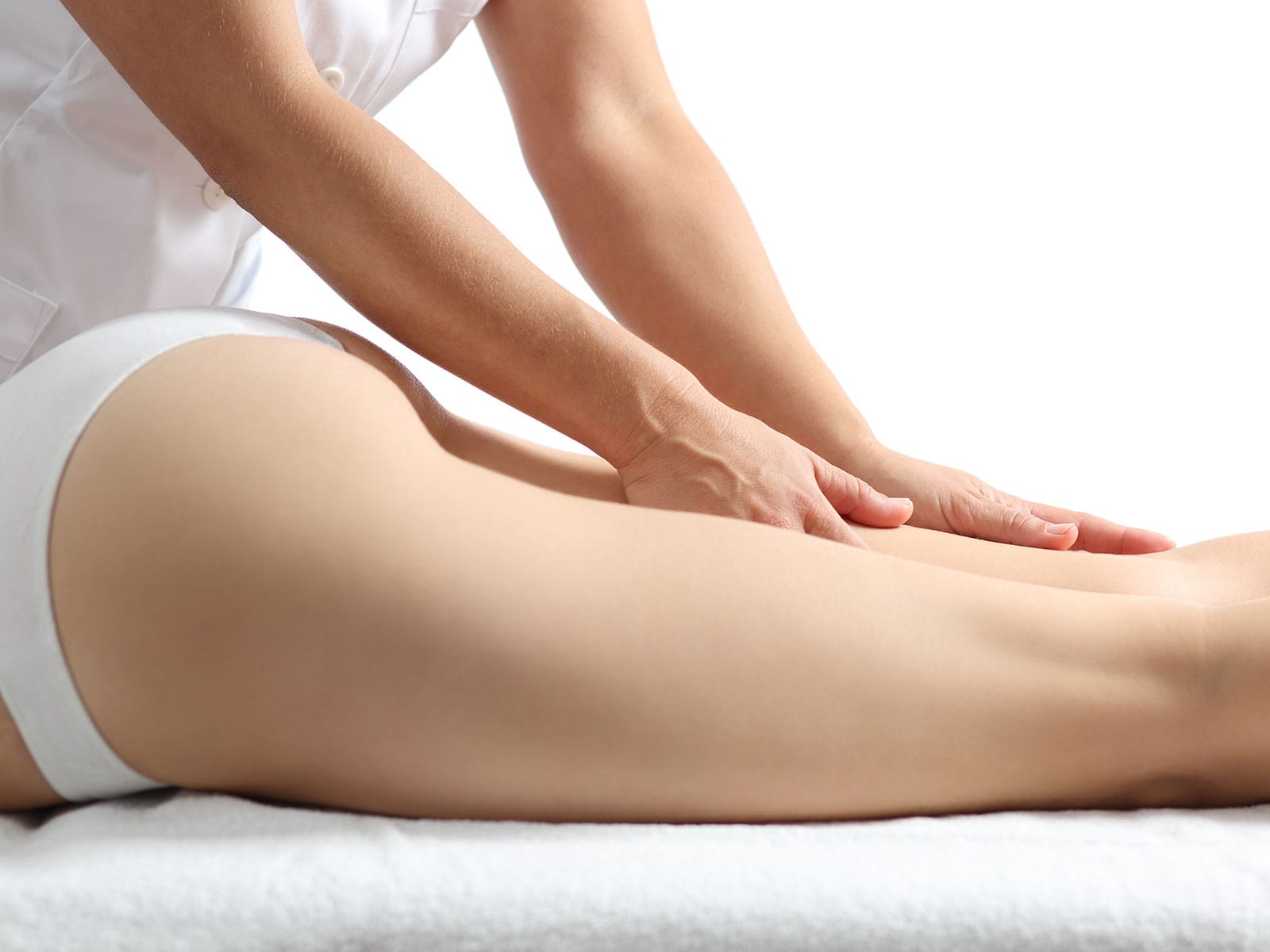
- Manual lymphatic drainage: improves circulation and reduces edema
- Appropriate physical activity: low-impact exercise (walking, swimming, water aerobics, Pilates)
- Targeted nutrition: to reduce inflammation
- Surgery (liposuction): considered in advanced cases
Lymphedema treatment: drainage is key
The main treatment is complex decongestive therapy, based on four pillars:
- Manual lymphatic drainage
- Compression bandaging
- Compression garments
- Physical activity
Compression is essential for managing swelling and preventing worsening.
Can lipedema and lymphedema coexist?
Yes. Untreated lipedema can overload the lymphatic system, leading to lipo-lymphedema, a combined condition. This is why early diagnosis and active management are crucial.
Compression garments: what to choose?
Graduated compression is one of the most recommended treatments for both conditions. The key difference lies in the level of compression.
Always consult your doctor to choose the right product. Comfort and daily wearability are essential for treatment adherence.
Solidea products for lymphedema and lipedema
Solidea offers a full range of graduated compression medical devices, made in Italy with OEKO-TEX certified materials and tax-deductible as Class I medical devices.
Lower limbs:
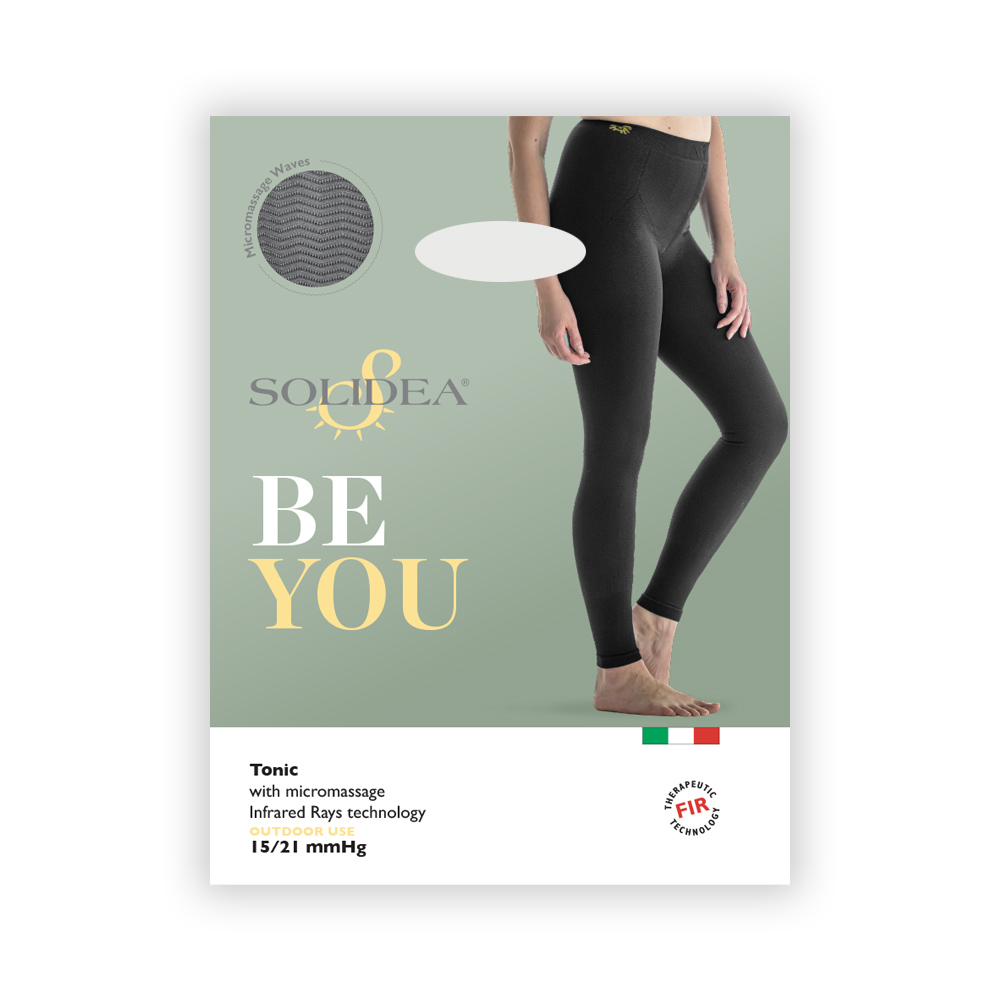
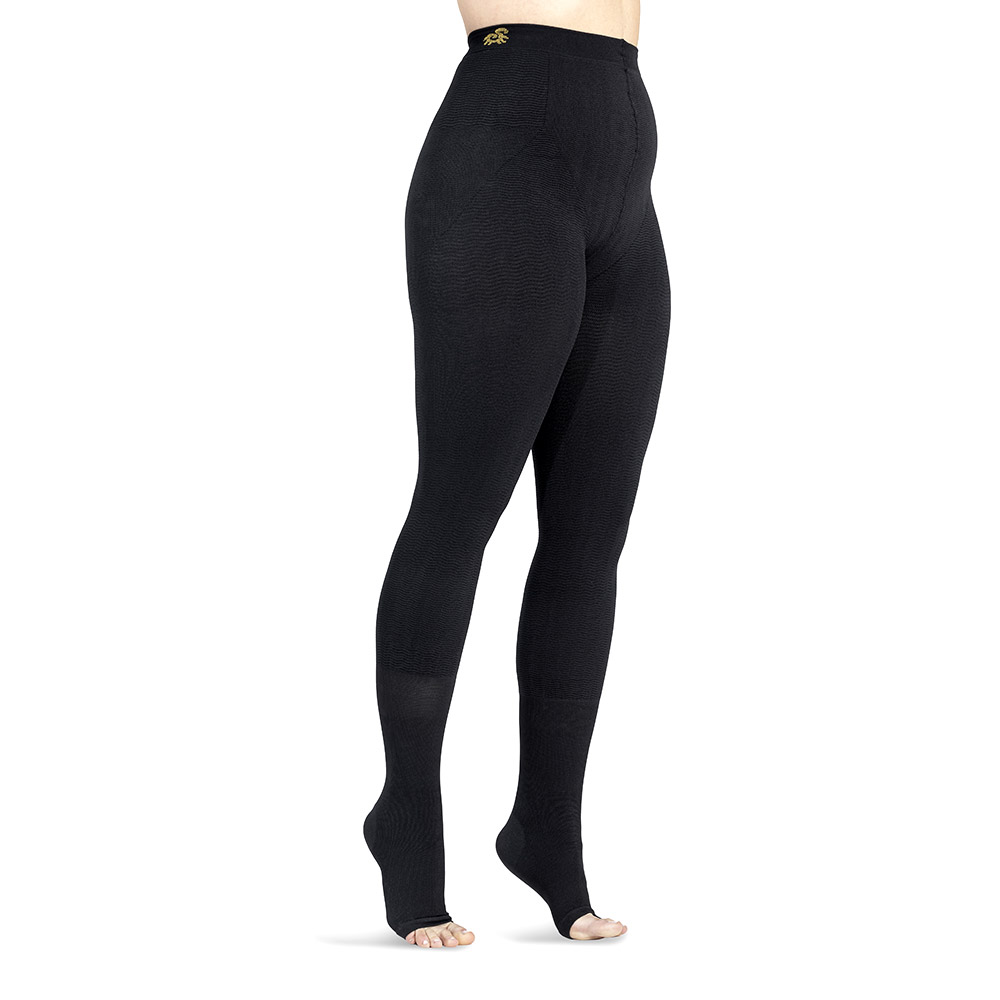
Be You line (Tonic, Tonic Pro, Capri): 15/21 mmHg leggings
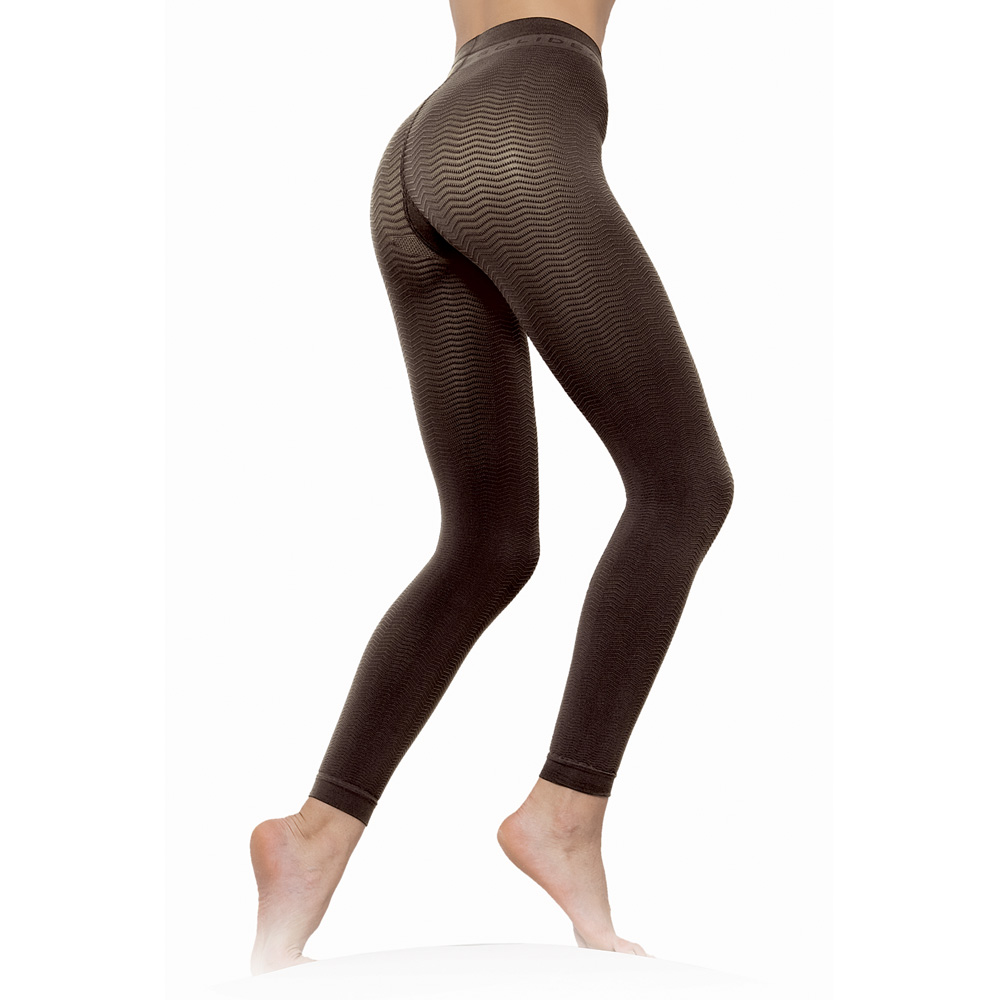
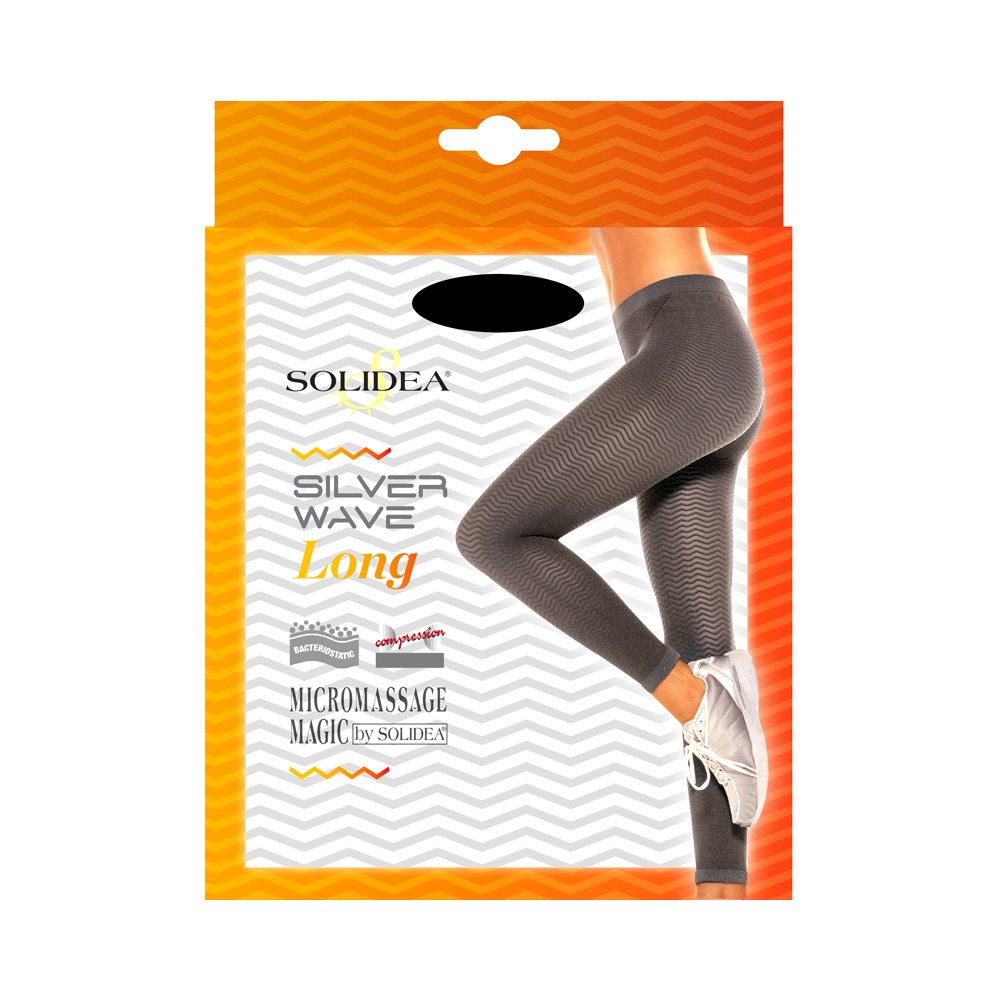
Silver Wave Long: 3D wave fabric leggings
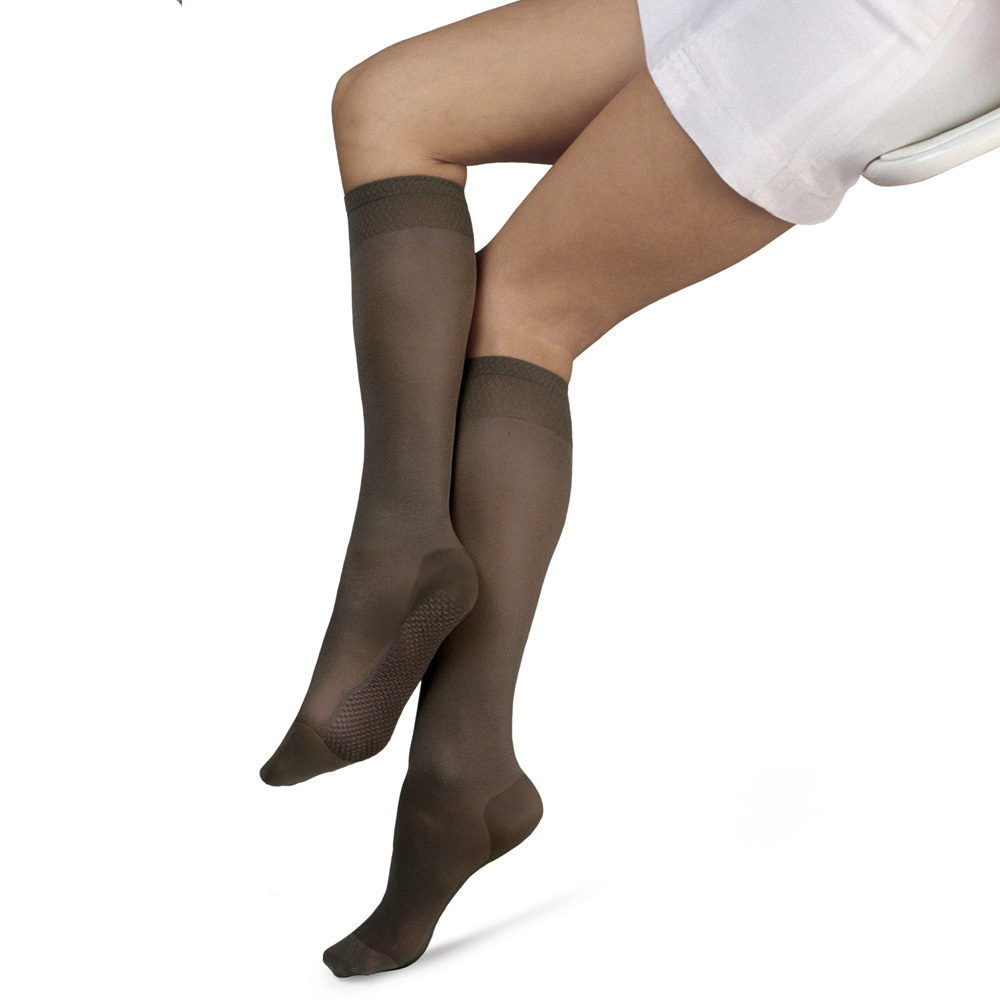
Relax CCL1 & CCL2 knee-highs
Upper limbs:
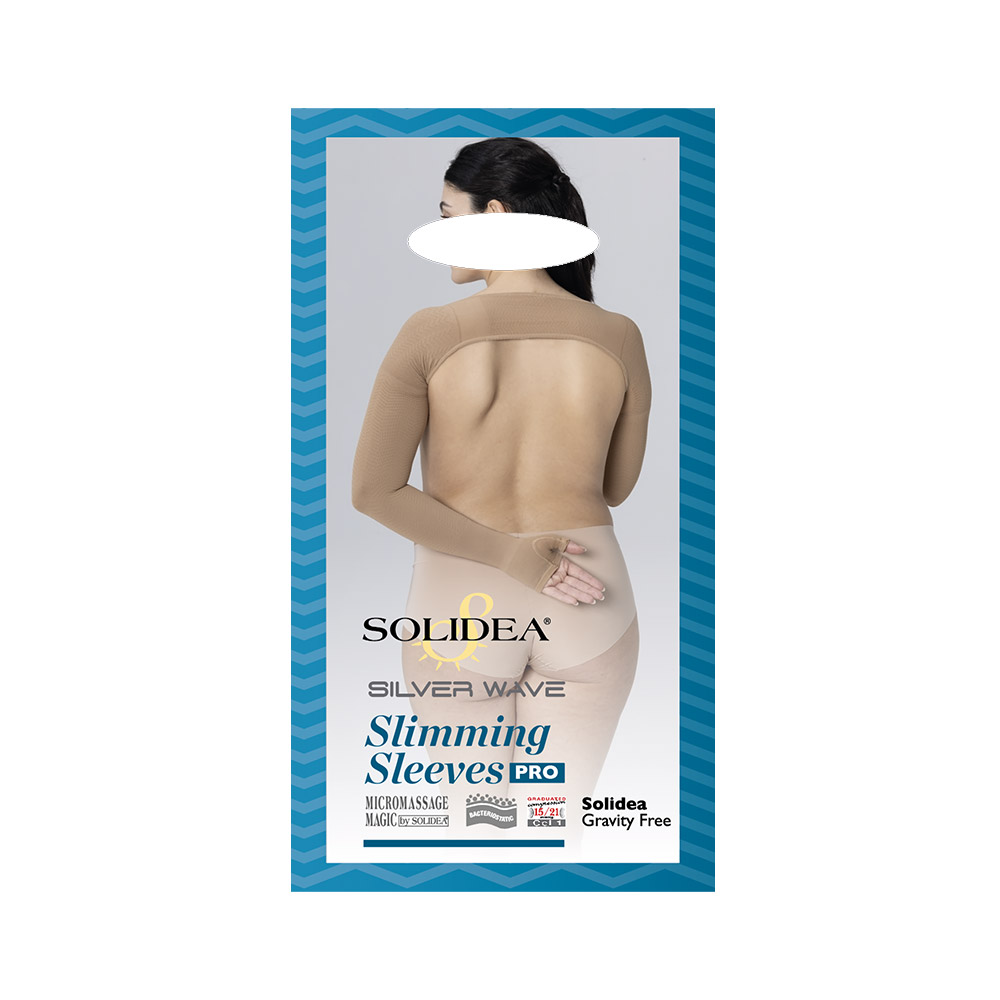
Therapeutic arm sleeves (Class 1 and 2)
💡 Note: All Solidea compression products are medical devices and may be tax-deductible. Always consult your doctor.
This article is for informational purposes only. For diagnosis and personalized treatment, consult a specialist.